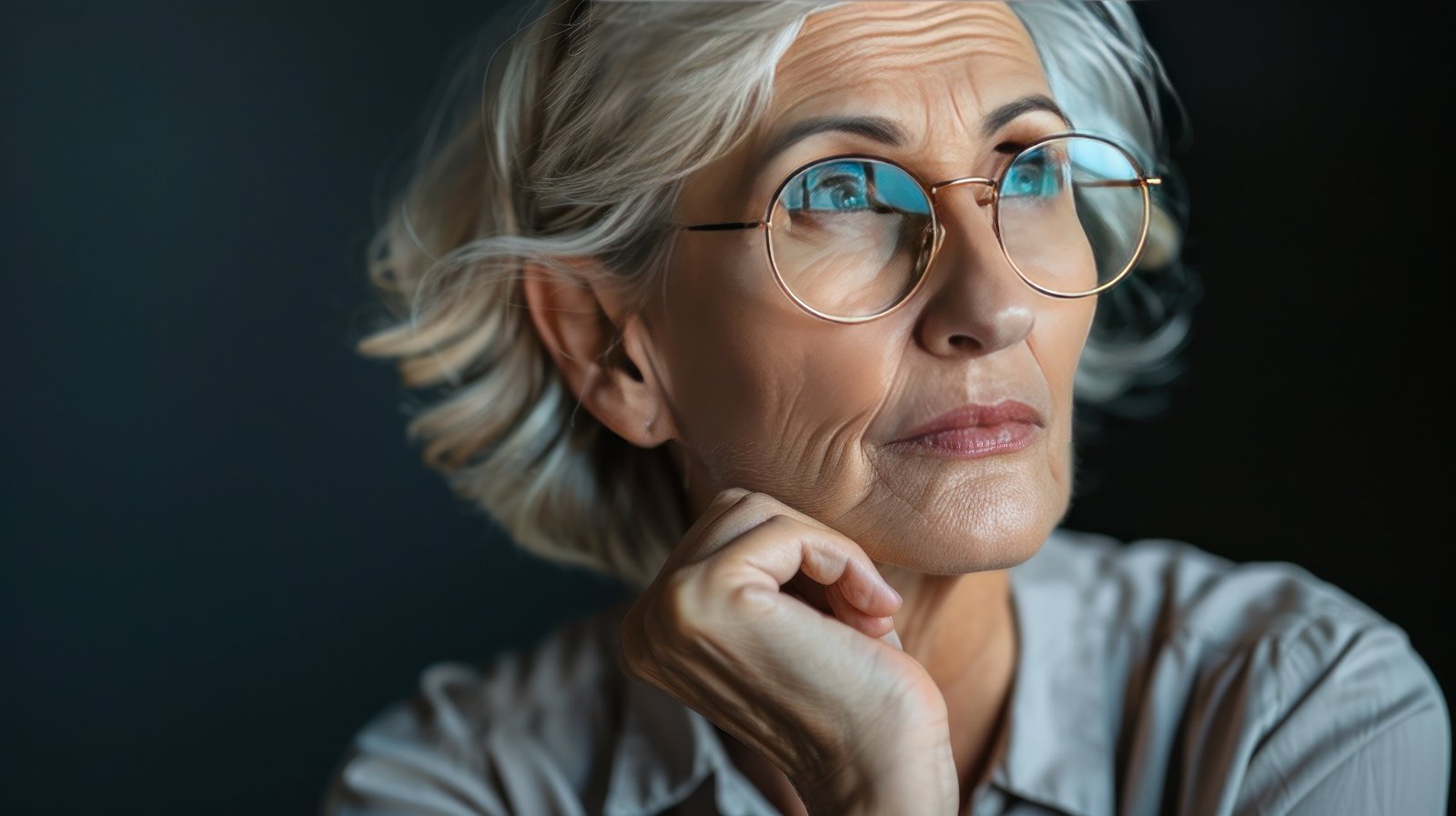
Can we talk, just the two of us for a minute? If you're over 50, I'm guessing you know this feeling: you're managing more than most people around you realize, and somehow you're still expected to have it all handled. Maybe it's the sleep that isn't coming easy anymore, or the way your mind feels foggier than it used to. Maybe it's watching your kids leave home, or caring for a parent while nobody's checking in on how you're doing. Maybe it's just a quiet question you keep circling back to: who am I becoming now?
Here's something that might surprise you — you are far from alone in this. Research shows about two-thirds of women over 50 are genuinely struggling with their mental health right now. And almost 90% of them never tell anyone or ask for help. So if you've been carrying this quietly, that's not a personal failing. That's just what so many of us have been taught to do.
What You Might Be Feeling
Your body is changing — hormones, sleep, energy, even your ability to focus (that brain fog is real; it affects nearly 4 in 10 women going through this stage). Your relationships are shifting too, whether that's a marriage, a divorce, grief over someone you've lost, or an empty house that used to be full. And through it all, there's this pressure — nearly half of women your age say they feel they have to “hold it together” for everyone else. A quarter worry no one would even understand if they tried to explain it. I want you to know: none of that means something is wrong with you. It means you're human, and you're moving through one of the bigger transitions life hands us.
What Counseling Can Actually Do for You
This is where I'd love to help. Not to fix you — you're not broken — but to give you a space that's entirely yours, where you don't have to perform strength for anyone. We can put words to what you're feeling, which alone tends to make it feel less overwhelming. We can use approaches like CBT and mindfulness-based techniques, which have real research behind them for easing the anxiety, mood shifts, and sleep struggles so many women deal with in midlife. We can grieve what needs grieving — a relationship, an old version of your life, whatever it is — without rushing you past it. And we can figure out, together, who you're becoming next, not just who you used to be.
You Don't Have to Keep Doing This Alone
If any of this feels like it's speaking directly to you, I'd really love to talk. Reaching out isn't giving up — it's you finally taking your own wellbeing as seriously as you've always taken everyone else's. You've spent a long time taking care of things. Let's take care of you for a while. Reach out anytime to set up a consultation — I'd be honored to be part of this next chapter with you.
Sources
● Two-thirds of UK women over 50 face mental health challenges, according to new research
● The effectiveness of psychosocial interventions on non-physiological symptoms of menopause: A systematic review and meta-analysis
● How Effective is Mindfulness-Based Cognitive Behavioral Therapy on Quality of Life in Women With Menopause